
Key Takeaways
- Level 2 EV charger installation is not a DIY project – it involves high-voltage electrical work that goes well beyond a standard outlet swap.
- Local jurisdictions in Indiana, including those in Kosciusko County, require a locally licensed electrical contractor to perform new circuit work, including EV charger circuits, and a permit must be pulled before work begins.
- Skipping permits or hiring an unlicensed installer can void your homeowner’s insurance and may void the EV charger’s warranty.
- Keep reading to learn exactly what a proper Level 2 installation involves, what questions to ask a prospective electrician, and what is actually at stake if the job is done wrong.
Level 2 Chargers Are Not a DIY Job
Owning an electric vehicle in Warsaw, IN is a smart move – lower fuel costs, less maintenance, and a smoother daily commute. But once the car is in the driveway, the next question almost every EV owner faces is: Can the Level 2 charger be installed without hiring someone?
The short answer is no – and the reasons go deeper than most homeowners expect. A Level 2 charger runs on a dedicated 240-volt circuit, the same voltage class as an electric dryer or oven. That kind of installation requires specialized electrical knowledge, code compliance, permits, and a mandatory inspection. Treating it as a weekend project creates serious financial and safety consequences.
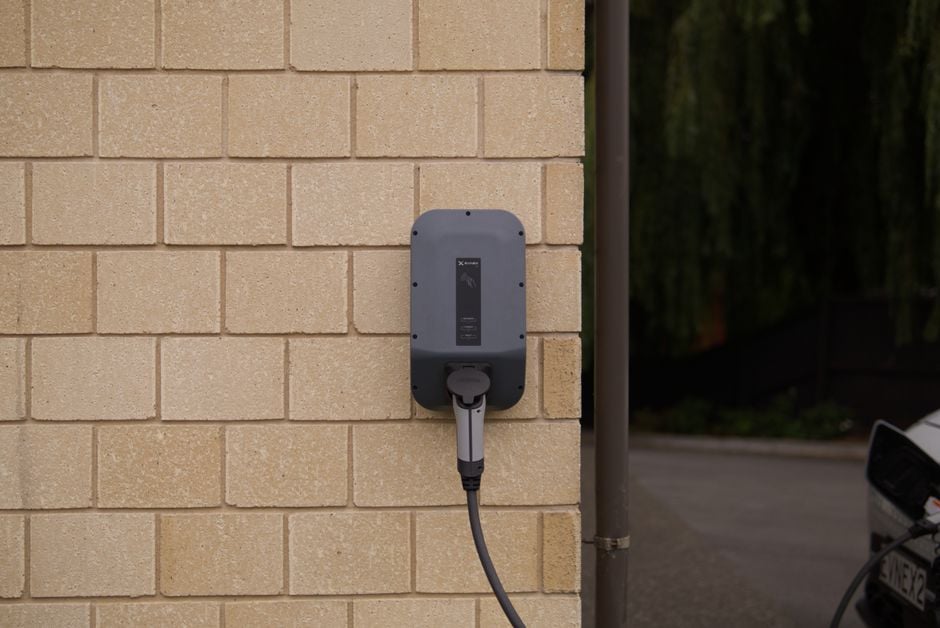
For Warsaw-area homeowners working through this process, professional EV charger installation is the clearest path to a setup that is safe, code-compliant, and built to last. The sections below break down exactly why – starting with what the job actually involves at a technical level.
What Level 2 Installation Actually Involves
Installing a Level 2 charger is a multi-step electrical project, not a plug-in appliance setup. Before a single wire is run, a licensed electrician must perform a formal NEC load calculation to confirm the home’s electrical panel can handle the added demand. If the panel is already near capacity, an upgrade may be required before the charger circuit can be added.
Dedicated 240-Volt Circuit Required
Every Level 2 charger needs its own dedicated 240-volt circuit – meaning no other appliances or outlets share that line. This ensures a consistent power supply and eliminates the risk of overloads or tripped breakers during a multi-hour charging session. The circuit also requires appropriately rated wire, conduit, and a GFCI breaker as specified under NEC Article 625, the national standard governing EV charging equipment.
Circuit Sized at 125% of Continuous Load
EV charging is classified as a continuous electrical load, which triggers a specific NEC sizing rule: the circuit and breaker must be rated at 125% of the charger’s maximum current draw. For a common 48-amp Level 2 charger, that means a 60-amp breaker and wire rated to match. Undersizing the circuit – one of the most common DIY mistakes – leads to overheating, nuisance tripping, and, in worst cases, an electrical fire inside the wall.
Indiana Law Requires a Licensed Electrician
This is not a gray area. Local jurisdictions across Indiana are explicit: any new circuit installation, including those for Electric Vehicle Supply Equipment (EVSE), must be performed by a locally licensed electrical contractor. Homeowners cannot legally pull their own permit for this type of work and have it inspected as code-compliant in most Indiana jurisdictions.
Permits Must Be Pulled by a Pro
In Indiana, a building or electrical permit is required for any new EVSE circuit. The permit application is filed through the local building department – in Kosciusko County, that means going through the appropriate local Authority Having Jurisdiction (AHJ). A licensed electrician handles this paperwork as part of the installation process, ensuring the project is on record before work begins.
AHJ Inspection Is Mandatory
Once the work is complete, a local inspector from the AHJ must review and approve the installation. This inspection verifies that the circuit is correctly sized, the wiring is properly protected, GFCI protection is in place, and everything meets current NEC and local code requirements. No inspection sign-off means the installation is technically unpermitted – regardless of how well the work was done.
The Real Risks of Going DIY
The appeal of skipping a professional is understandable. Labor costs are real, and plenty of homeowners are comfortable with basic electrical tasks. But a Level 2 charger installation carries a different category of risk entirely.
Fire Hazards from Poor Wiring or Grounding
Incorrectly wired outlets, undersized conductors, and poor grounding are among the leading causes of residential electrical fires. A 240-volt circuit running a continuous load for hours overnight – often while the household is asleep – amplifies any wiring flaw into a genuine hazard. These failures do not always show up immediately; they can develop slowly inside a wall over weeks or months before causing an incident.
Homeowner’s Insurance Can Be Voided
Unpermitted electrical work can void a homeowner’s insurance policy outright. If a fire or electrical damage occurs and an investigation reveals the circuit was installed without a permit or by an unlicensed individual, the insurer has grounds to deny the claim, leaving the homeowner to cover the full cost of repairs or loss. Unpermitted work discovered during a home sale or insurance claim can lead to significant financial and legal repercussions, sometimes requiring the work to be torn out and redone entirely. That is not a hypothetical; it is a documented pattern in real estate and insurance disputes.
Your EV Warranty Is Also on the Line
Beyond the home itself, a DIY charger installation can affect both the charger and the vehicle. Most EV charger brands require professional installation by a licensed electrician as a condition of their warranty coverage. While EV manufacturers generally cannot void a vehicle’s warranty solely due to an aftermarket charger, they may deny a claim if a charging-related issue is directly caused by an uncertified or improperly installed EVSE. This applies to the charger hardware warranty, and in cases where improper installation directly causes damage, it could affect the vehicle’s battery and charging system warranty.
For a vehicle that represents a $40,000-$70,000+ investment, that is a meaningful risk to take on to avoid a single installation fee.
What to Ask Before Hiring an Electrician
Not every electrician has hands-on experience with EV charger installations specifically. The NEC Article 625 requirements, load calculation process, and GFCI specifications are specialized enough that vetting a prospective hire before committing is well worth the time.
Verify Licensing, Insurance, and Permit Handling
Before scheduling any work, confirm the following:
- Are they licensed in Kosciusko County or the relevant local jurisdiction? Ask for their license number and verify it through the appropriate local building department or licensing authority, as Indiana does not issue statewide electrician licenses.
- Do they carry liability and workers’ compensation insurance? This protects the homeowner if something goes wrong during the installation or if a worker is injured on the property.
- Will they pull the permit? A qualified electrician handles the permit application as part of the job. If a contractor suggests skipping the permit to save money, that is a firm red flag.
- Do they offer a warranty on their labor? Reputable electricians stand behind their work. Ask specifically about labor warranties, not just equipment warranties.
- Have they installed Level 2 chargers before? Ask for specifics – charger brands they have worked with, whether they have experience with panel upgrades, and how they handle the AHJ inspection process.
Taking 10 minutes to ask these questions upfront can prevent weeks of headaches later.
Call a Licensed Electrician for Safe, Code-Compliant Installation in Warsaw, IN
A Level 2 EV charger is one of the most practical upgrades a homeowner can make – waking up every morning to a fully charged vehicle instead of stopping at a gas station is a genuine quality-of-life improvement. That convenience is only reliable when the installation behind it is done correctly: proper circuit sizing, appropriate wire and conduit, GFCI protection, a pulled permit, and a passed AHJ inspection.
Cutting corners on any of those steps introduces risks that far outweigh the upfront savings: fire hazards, denied insurance claims, voided warranties, and the cost of having unpermitted work torn out and redone from scratch. In Indiana, where local law already mandates licensed installation, the practical and legal case for doing it right the first time is straightforward.
Mister Sparky Fort Wayne
3404 Metro Park Drive North
Unit A,
Fort Wayne
Indiana
46818
United States


