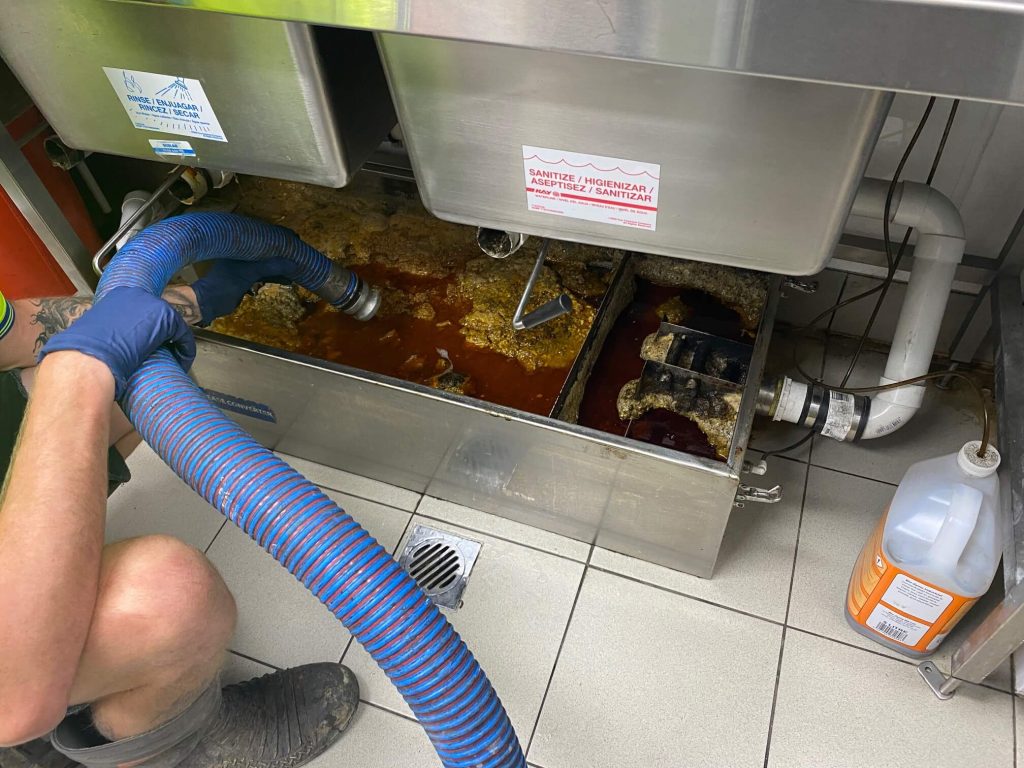
Southern California restaurants face sewer blockages from improper grease disposal, risking costly disruptions, public infrastructure, and wastewater systems.
LOS ANGELES, CA, UNITED STATES, October 8, 2026 /EINPresswire.com/ — Southern California’s restaurant industry depends on daily kitchen operations that generate more than meals. Frying, grilling, food preparation, and equipment cleaning also produce fats, oils, and grease (FOG) that must be managed before they enter wastewater systems. When used cooking oil is poured into sinks or greasy residues are washed into drains, the consequences extend beyond a restaurant’s own plumbing. As grease accumulates inside pipes, it restricts wastewater flow and contributes to blockages that affect commercial properties and public sewer infrastructure. For restaurant operators across Los Angeles, Orange, Riverside, San Bernardino, San Diego, and Ventura counties, the issue connects routine waste-handling decisions with the reliability of grease management systems that food businesses and surrounding communities depend on. Grease traps and interceptors provide an important line of defense, but they cannot compensate for every improper disposal practice. The challenge begins in the kitchen, where daily decisions can influence what eventually reaches the sewer network.
While improper disposal can introduce grease into wastewater systems in large quantities, the problem also develops through smaller, repeated actions inside commercial kitchens. When employees wash greasy pans, fryer components, utensils, and preparation surfaces, residual fats and oils can enter drains alongside food particles, even when no one deliberately pours cooking oil into the sink. Grease traps and interceptors help capture these materials before wastewater leaves a commercial property, but their effectiveness depends on proper operation and regular grease removal. Any grease that passes through the system can cool and adhere to pipe walls, gradually forming deposits that collect additional grease, food particles, and other debris. Rather than remaining a thin, isolated coating, this material can build up over time and reduce the space available for wastewater to flow. When these deposits accumulate in public sewer lines, the effects can extend well beyond the original source. Restricted sewer capacity can contribute to wastewater backups and overflows that affect nearby businesses, homes, streets, and public spaces. Clearing serious obstructions can also require municipal crews to carry out additional inspections and hydro jet sewer cleaning, placing pressure on public maintenance resources. The process may occur gradually through repeated discharges rather than from one major disposal incident, allowing restrictions to develop before their source is identified.
The financial consequences of grease-related sewer blockages can reach far beyond the cost of clearing a pipe. For restaurants, a serious drainage failure may require emergency grease trap pumping, equipment repairs, and cleanup, while wastewater backups can force kitchens to suspend food preparation or temporarily close, resulting in lost sales and disrupted service. If an overflow affects food preparation areas, operators may also face additional sanitation requirements before normal operations can resume. For Southern California municipalities, grease-related obstructions can require sewer inspections, specialized cleaning, and unplanned maintenance expenditures that draw on public resources. When wastewater escapes into streets or other public areas, nearby residents and businesses may face unpleasant conditions, restricted access, cleanup needs, and potential health concerns. Identifying the source can also be difficult because sewer lines carry wastewater from multiple properties, and accumulated grease may reflect repeated discharges over time rather than a single incident. The resulting costs can therefore be distributed among restaurant owners, local authorities, neighboring community.
Local grease management companies offer a practical perspective on the connection between restaurant waste-handling practices and wider sewer concerns. Their work involves more than removing accumulated grease; service visits also reveal how kitchen practices and the condition of grease traps affect the material entering downstream plumbing. Heavy grease accumulation, trapped food solids, neglected cleaning schedules, and poorly functioning components can all undermine a system’s ability to separate grease from wastewater. Technicians also find that attention is focused on the visible problem, such as a slow drain or a full grease trap, while the handling of used cooking oil and greasy kitchen waste receives less attention. A local grease removal expert in Southern California says, “A blocked drain is often a sign of a larger grease problem. Without correcting improper grease disposal, cleaning the line may provide temporary relief but recurring blockages can return.”
Preventing grease-related blockages starts with everyday kitchen practices and consistent equipment maintenance. Restaurants should collect used cooking oil in designated containers rather than pouring it into sinks or floor drains, and scrape excess grease and food scraps from cookware before washing. Grease traps and interceptors should be cleaned regularly by licensed grease experts according to kitchen output, equipment capacity, and applicable local requirements. Grease trap technicians can also inspect internal components, including baffle t, to identify damage or excessive buildup that may interfere with grease separation. Kitchen employees should understand that repeated disposal of small amounts of grease can contribute to accumulation inside drainage pipes over time. Staff training, clear waste-handling procedures, and properly maintained grease-control equipment all help reduce the amount of FOG entering wastewater systems. Restaurants should also investigate persistent slow drains, recurring odors, or signs of wastewater backup rather than relying on temporary fixes.
Across SoCal communities, the connection between restaurant grease disposal and sewer infrastructure remains an important concern for the communities surrounding them. Every commercial kitchen operates within a wider wastewater network, meaning disposal decisions made behind restaurant doors can have implications beyond the property itself. As local authorities maintain public sewer lines and restaurants manage the demands of daily food preparation, preventing avoidable grease accumulation requires attention at both levels. The issue places routine kitchen waste handling within a broader conversation about business continuity, municipal maintenance costs, and the reliability of shared infrastructure.
Manager
The Grease Company
Visit us on social media:
Instagram
Facebook
YouTube
Legal Disclaimer:
EIN Presswire provides this news content “as is” without warranty of any kind. We do not accept any responsibility or liability
for the accuracy, content, images, videos, licenses, completeness, legality, or reliability of the information contained in this
article. If you have any complaints or copyright issues related to this article, kindly contact the author above.

Media gallery